Eisenmangel? Ein Fall für die richtigen Nahrungsmittel.
Iron deficiency
What do I have to consider?
Iron deficiency – What do I have to consider?
Scientific research: A diet of cleverly composed foods prevents iron deficiency
Iron deficiency – how can it develop?
Iron is necessary for the transport of oxygen in the blood (haemoglobin) and the storage of oxygen in muscles (myoglobin). In addition to other tasks in human metabolism, it is also essential for the function of many vital enzymes (catalysers), including in brain metabolism (messenger substances). Iron is therefore an important and central trace element for the entire organism.
Caution: even well-intentioned and supposedly "healthy diets" can lead to iron deficiency.
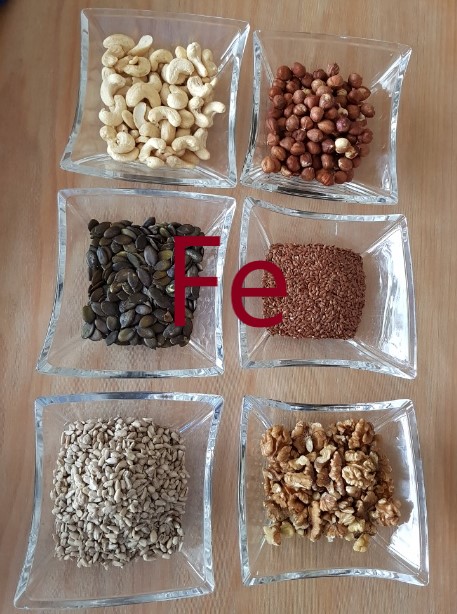
Above all, a healthy diet should ensure that the body is ideally supplied with nutrients and that people feel fitter and healthier. However, ‚healthy‘ does not always mean actually healthy. Many supposedly healthy diets, which aim to provide the best possible supply of nutrients, lead to one of the most important nutrients being neglected: iron. This book explains this ‚iron trap‘ in a generally understandable way. It contains important information on foods with very little iron and summarises these in an iron-negative list. There are a few surprises. The first rule of thumb for avoiding iron deficiency is therefore: Avoid eating only foods from the iron-negative list!
If you suspect you have an iron deficiency or are ill, these tips are of course no substitute for a visit to your trusted doctor and no treatment recommendations are made here. However, the suggestions presented here show simple ways in which you can significantly improve your iron status through a targeted and clever selection of natural foods, true to the motto: iron in the blood, all good
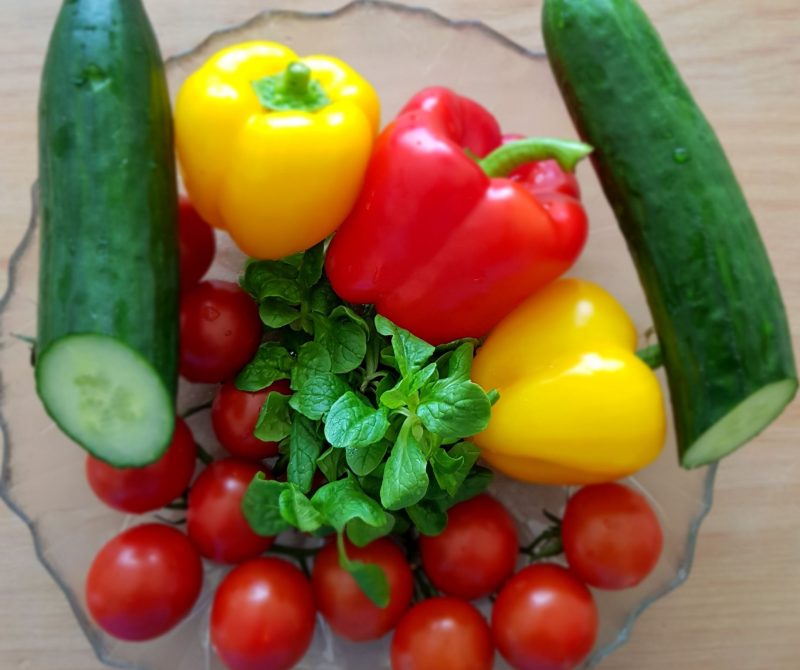
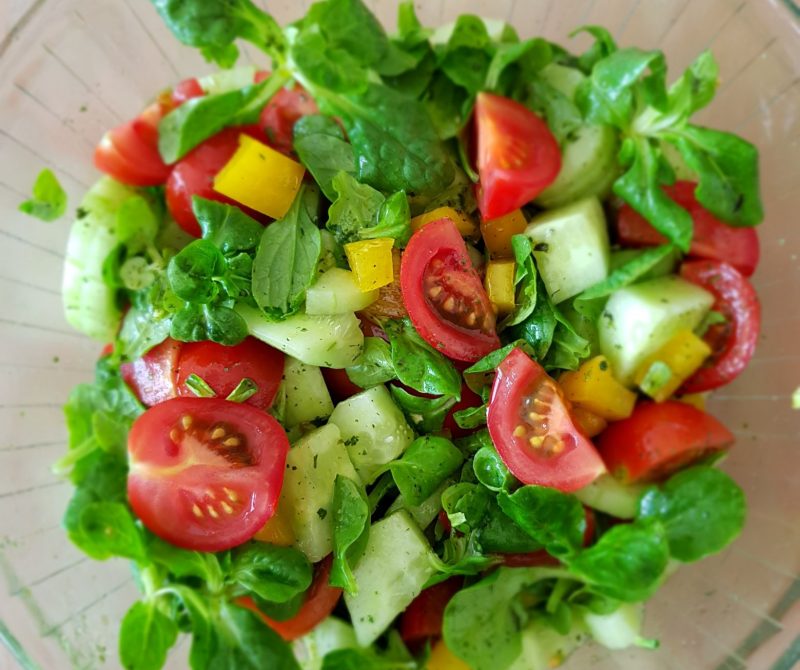
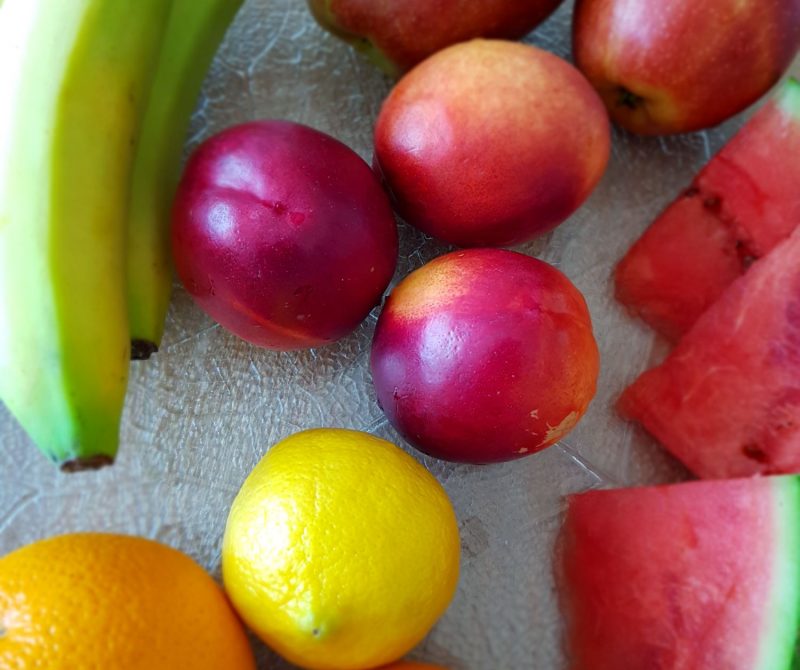
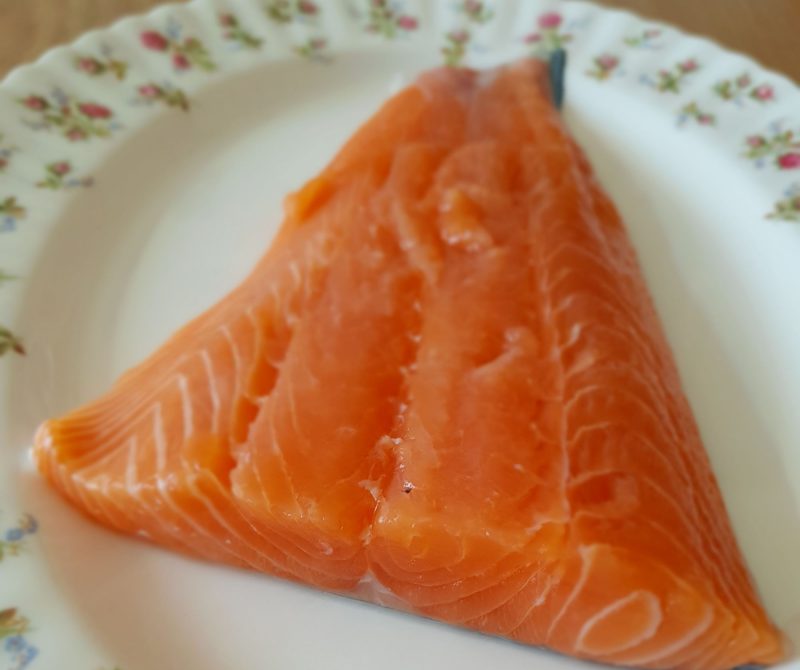
Fruit, vegetables, salad and often also fish contain many valuable ingredients but unfortunately often far less than 0.5 mg iron/100 g edible portion. A hidden hunger for iron can be the result if you mainly eat foods that contain very little iron.
People who suffer from iron deficiency often complain of the following symptoms
Warning signs
These warning signs of an iron deficiency often begin gradually, so that the person affected is hardly able to establish a connection to the iron deficiency.
Tiredness
Lack of concentration
Brittle nails, hair loss
Susceptibility to infections
Depressive moods
Who is affected?
Frequently affected are
Vegetarians, vegans, children, pregnant women, athletes, and the elderly
However, even well-intentioned and supposedly „healthy diets“ can lead to iron deficiency.
Food scientist Prof. Dr. Klaus Günther provides scientifically sound tips for a healthy, balanced diet that prevents acute iron deficiency in his guides and textbooks published in 2019, 2021, and 2023!